

Planning
When to Golf in Las Vegas: A Season-by-Season Guide
Weather, green fees, overseeding closures, and the months that actually play best in the desert.
Updated · September 1, 2026
The Las Vegas golf calendar runs almost exactly opposite the one you'd expect from a beach-resort town. Here, the prime season is fall through spring, summer is the bargain, and the trickiest variable isn't snow — it's heat and the annual grass transition. Here's how the year actually plays.
October through May: prime season
This is when you want to be here. Daytime highs settle into the 60s and 70s, skies are clear, and courses are in peak condition. The desert is genuinely pleasant to walk, mornings are crisp, and the premium courses — TPC Summerlin, Serket, the Pete Dye trio at Las Vegas Paiute — show off. The trade-off is demand: this is peak season, so rates are at their highest and the best tee times go early. Book ahead.
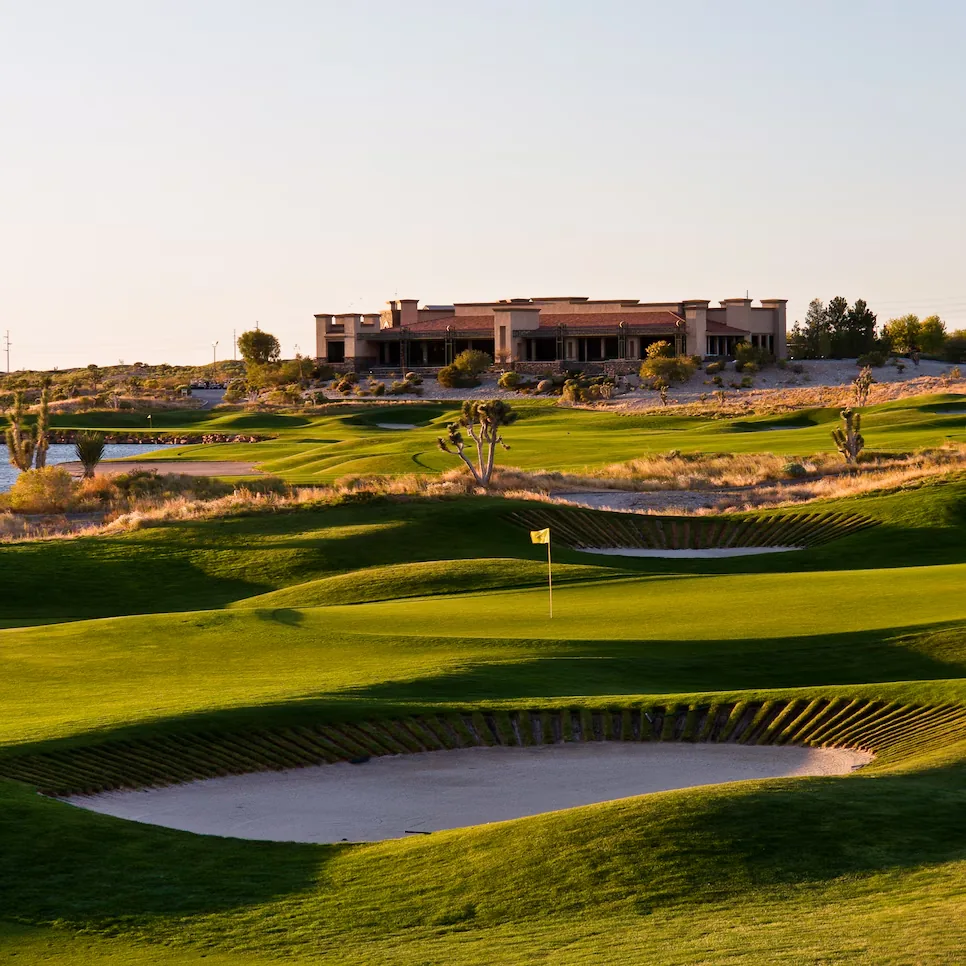
December and January: the cool-weather window
Vegas golf doesn't close in winter, but it does cool off. Highs in the 50s, the occasional frost delay pushing morning tee times back an hour, and shorter daylight. It's quieter and often cheaper, and the higher-elevation courses out toward Boulder City and Pahrump can play cold. Pack a layer and book mid-morning to let the frost burn off.
Summer (June–August): the value season
Summer in Las Vegas is brutal — 105°F-plus afternoons are routine, and midday play is genuinely unwise. But it's also when green fees fall off a cliff. The move is simple: tee off at dawn or grab a deeply discounted twilight time, hydrate hard, and take the cart. Early-morning summer rounds at courses like Angel Park or Bali Hai can cost a fraction of their winter rate. Mesquite and the outlying desert run even hotter — plan accordingly.
The overseeding factor (early fall)
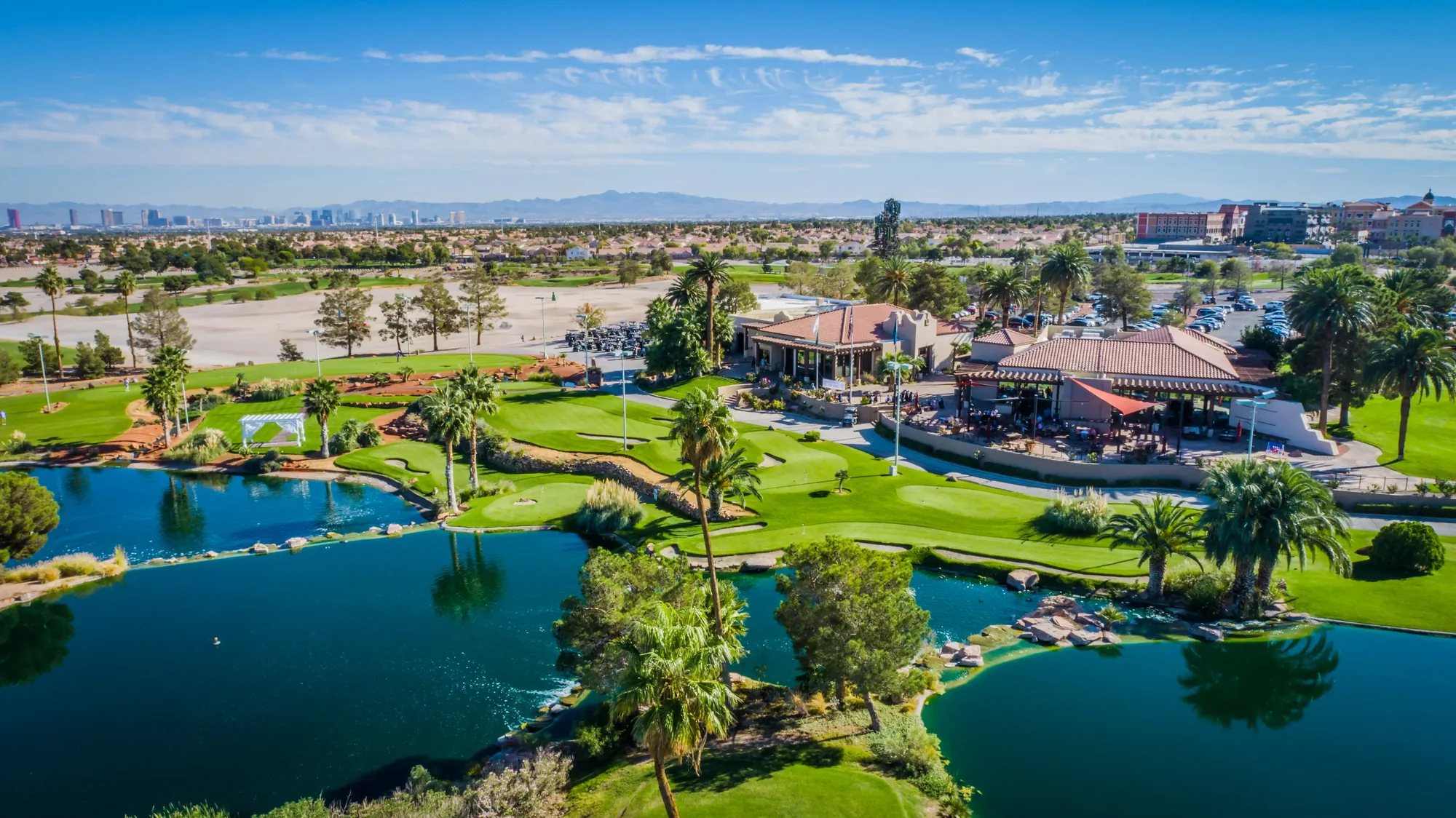
The one piece of timing that catches visitors off guard: overseeding. Each fall, many Vegas courses transition their summer Bermuda turf to a winter ryegrass, which means a stretch of days — often in October — when a course closes entirely or plays on temporary greens and cart-path-only rules while the new grass establishes. Schedules vary course to course and year to year, so if you're booking a fall trip, confirm directly that your target courses aren't mid-transition during your dates. It's the single most common avoidable disappointment in Vegas golf.
Spring: the underrated window
If prime season has a peak, it's spring. March through early May delivers the best combination the desert offers — warm but not hot, long daylight, and turf that has fully recovered from the winter ryegrass transition. Wildflowers come out around Red Rock, the higher-elevation courses toward Boulder City play soft and green, and you get full rounds without racing the heat or the sunset. The only catch is that everyone else knows it too, so book your marquee rounds — TPC Summerlin, the Las Vegas Paiute trio — well ahead.
A note on wind and elevation
Two desert variables catch flatland golfers off guard. Wind picks up through the afternoon across the open valley, which is one more reason to favor morning tee times. And elevation — the valley sits above 2,000 feet, and some outlying courses climb higher — means the ball flies noticeably farther than at sea level. Club down accordingly, especially on your first round of a trip.
The bottom line
For the best combination of weather, conditioning, and daylight, target late October through April, and dodge the overseeding window early in that range. Chasing value? Summer mornings are unbeatable on price. Next, build the trip itself with our Las Vegas golf trip planner, or browse all 53 courses to lock in your rounds — and plan the rest of the Vegas trip with MyRSVP.
Related reading
Common Questions
Frequently Asked Questions
- What is the best month to golf in Las Vegas?
- For the best combination of weather, conditioning, and daylight, target late October through April, and dodge the overseeding window early in that range. If prime season has a peak it is spring, March through early May, which delivers warm-but-not-hot days, long daylight, and turf fully recovered from the winter ryegrass transition. Everyone else knows it too, so book marquee rounds well ahead.
- Is it too hot to golf in Las Vegas in summer?
- Midday is genuinely unwise from June through August, with 105-degree-plus afternoons routine. But summer is the value season, and the move is simple: tee off at dawn or grab a deeply discounted twilight time, hydrate hard, and take the cart. Early-morning summer rounds at courses like Angel Park or Bali Hai can cost a fraction of their winter rate, though Mesquite and the outlying desert run even hotter.
- What is overseeding and how does it affect Las Vegas golf?
- Each fall, many Vegas courses transition their summer Bermuda turf to a winter ryegrass, and during that stretch, often in October, a course may close entirely or play on temporary greens with cart-path-only rules while the new grass establishes. Schedules vary course to course and year to year. It is the single most common avoidable disappointment in Vegas golf, so if you are booking a fall trip, confirm directly that your target courses aren't mid-transition during your dates.
- Can you golf in Las Vegas in winter?
- Yes, Vegas golf doesn't close in winter, but it cools off. December and January bring highs in the 50s, occasional frost delays that push morning tee times back an hour, and shorter daylight. It is quieter and often cheaper, and higher-elevation courses out toward Boulder City and Pahrump can play cold. Pack a layer and book mid-morning to let the frost burn off.
- Why does the golf ball fly farther in Las Vegas?
- Elevation. The valley sits above 2,000 feet, and some outlying courses climb higher, so the ball flies noticeably farther than at sea level. Club down accordingly, especially on your first round of a trip. Wind is the other desert variable to plan around, since it picks up through the afternoon across the open valley, which is one more reason to favor morning tee times.